 Image 1 of 1
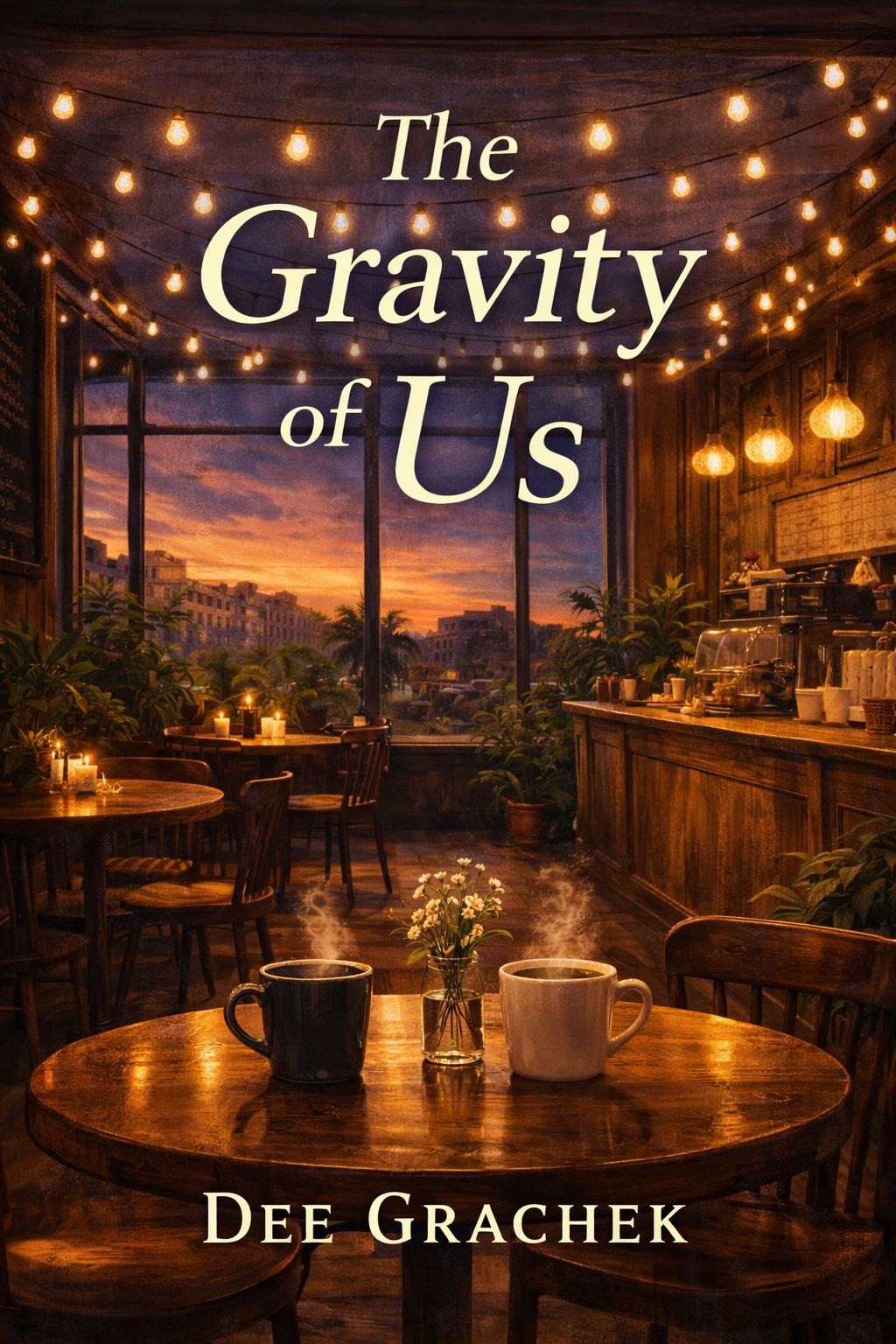
Julian has built a life on not being seen. It is careful, controlled, and quietly suffocating. Then he walks into a queer coffee shop where no one is hiding, and within weeks, strangers are saving him a seat he never asked for. If he stays, he will have to stop pretending he doesn’t belong.
Julian keeps his identity private and his relationships distant. When he begins spending time at Common Ground, a vibrant queer café, he becomes an observer of a life he has never allowed himself to live. People show up openly. Joy is shared without apology. Community is built in real time. At the center is Micah, whose steady, unpressured presence offers Julian connection without demand.
But when rising rent threatens to close the café, the community must fight to keep it alive. As the stakes shift from personal to collective, Julian is pulled in. He can no longer remain on the edge. At the same time, his growing connection with Micah forces him to confront the truth he has avoided: belonging requires honesty, and honesty will cost him the life he has carefully constructed.
When Julian pulls away, Micah refuses to follow, making it clear that presence cannot be one-sided. Faced with losing both the café and the possibility of love, Julian must decide whether to retreat into safety or step fully into the life waiting for him.
He chooses to stay.
Julian comes out not as a performance, but as a simple truth spoken in a space that has already made room for him. The café survives through collective effort, and Julian becomes part of what sustains it—no longer observing joy, but helping create it.